The Death of the Syntax Typist
For decades, the core metric of a developer’s productivity was inextricably tied to tactical implementation. We measured value in lines of code shipped, pull requests opened, and the sheer speed at which an engineer could translate business requirements into syntax. But as generative engines evolve into autonomous orchestration platforms like CodeMate.ai, that metric is fundamentally broken.
We are witnessing the transition from assisted completion to autonomous execution.
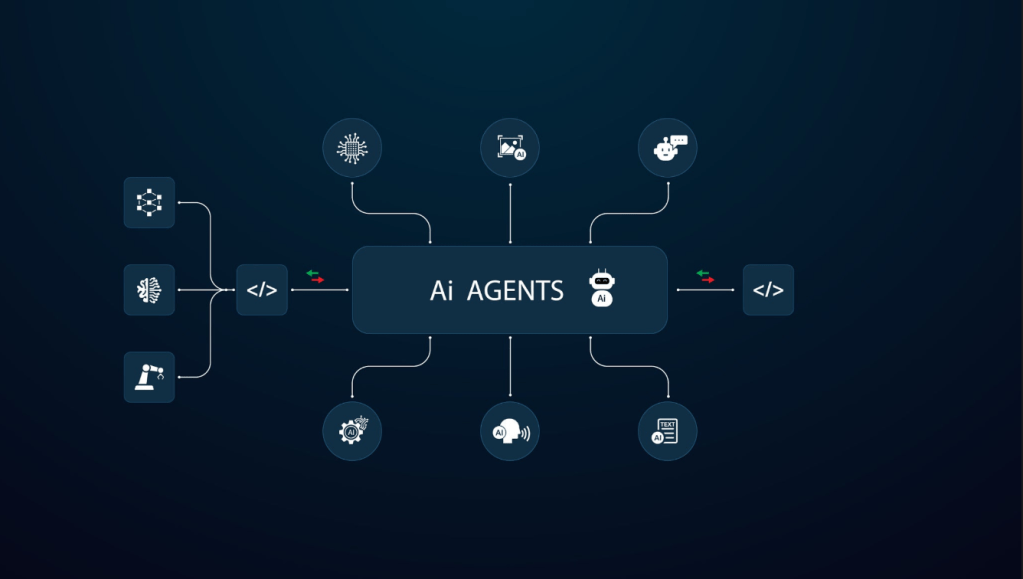
Early AI coding tools acted like glorified autocomplete—predicting the next line of a function or generating boilerplate unit tests. Next-generation platforms run localized, continuous feedback loops directly within the developer environment. They don’t just complete a line; they parse the entire build pipeline, run silent AST (Abstract Syntax Tree) evaluations, spot memory leaks, and generate pull requests before a human engineer opens their IDE.
+-----------------------------------------------------------------------+| THE DEVELOPER EVOLUTION |+-----------------------------------------------------------------------+| Old Model: Requirements -> Manual Syntax -> Debug -> PR -> Deploy || || New Model: Architecture -> Agent Execution -> Verification -> Scale |+-----------------------------------------------------------------------+
The New Developer Tiering Matrix
When the mechanical friction of writing code drops to near zero, the entire engineering hierarchy shifts upward.
- The Junior Developer Role Re-imagined: Historically, junior engineers spent 70% of their time fixing minor bugs, writing routine test suites, and learning language syntax through trial and error. Autonomous agents absorb these mechanical tasks entirely. The entry-level role is no longer about writing code from scratch; it’s about code review, logic verification, and output audit.
- The Rise of the Systems Orchestrator: Senior engineers are moving away from manual refactoring to focus purely on system topology, data boundaries, and edge-case guardrails. They act as conductors directing specialized AI agents across microservices.
- On-Device Agentic Loops: Unlike cloud-reliant LLMs that introduce latency and privacy concerns, tools like CodeMate leverage localized intelligence to analyze codebases instantly. They run background checks continuously, keeping internal IP private while executing deep static analysis.
+------------------------+------------------------------------+-------------------------------------+| Role Dimension | Traditional Engineering Era | Agentic Orchestration Era |+------------------------+------------------------------------+-------------------------------------+| Primary Output | Executable Code Lines | System Models & Constraints || Bottleneck | Syntax & Debugging Speed | Verification & Logic Validation || Junior Focus | Boilerplate & Bug Fixing | Agent Supervision & Unit Auditing || Senior Focus | Module Architecture | Multi-Agent Ecosystem Design |+------------------------+------------------------------------+-------------------------------------+
Strategic Implications for Enterprise Engineering
This shift creates a clear divide between engineering orgs that adapt and those that stall out:
- Velocity Multipliers Over Team Size: Adding headcount to solve engineering delays is officially obsolete. Small, focused teams using local agent pipelines can easily outpace traditional enterprise engineering departments.
- Shift-Left Architecture: Architectural standards must be baked directly into agent rulesets. When agents understand team-specific design patterns, every line of generated code naturally aligns with company standards.
- The New Hiring Filter: The primary skill for software talent is no longer memorizing language syntax or LeetCode algorithms. It’s prompt-level system modeling, logical decomposition, and code auditing.
Software development is no longer about typing syntax into an editor. It is about defining systems, establishing boundaries, and letting autonomous engines execute the mechanics.


Leave a Reply