Engineers have spent the last decade building APIs, microservices, and event-driven architectures designed for one primary consumer: humans writing glue code or operating dashboards. But as we move past static LLM prompts, a new architectural bottleneck is emerging.
Enter the Agentic Friction Layer.
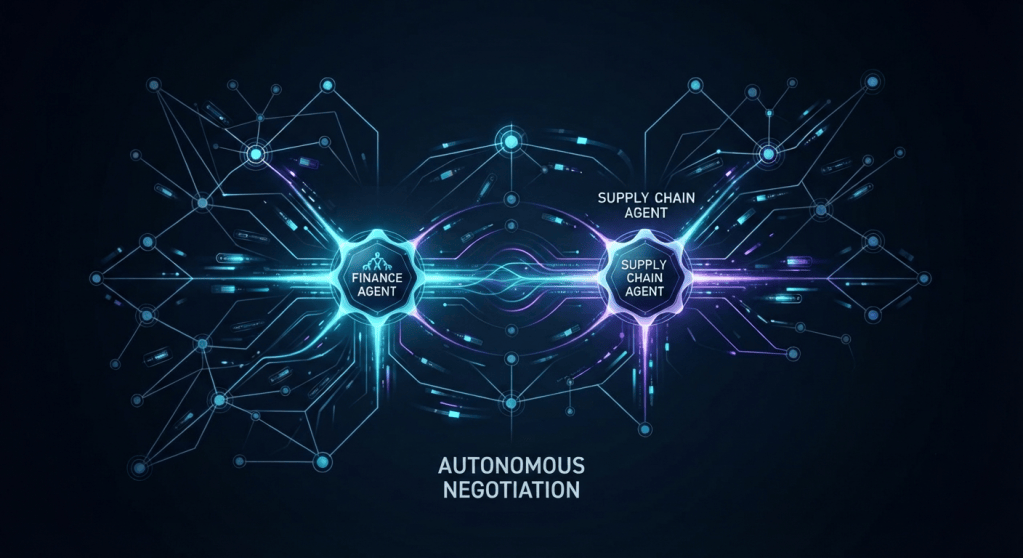
When you deploy autonomous, specialized agents across different business units—finance, engineering, customer success—they don’t just need to execute tasks; they need to reconcile conflicting contexts, differing schemas, and asynchronous data streams on the fly.
Here is how engineering leaders are addressing it:
- Moving Beyond Rigid APIs: Traditional APIs break when business logic shifts slightly. Agentic layers allow systems to dynamically interpret intents and negotiate data contracts in real time.
- Eliminating Glue Code: Instead of engineers spending 40% of their sprints writing custom integrations, autonomous agents bridge legacy databases with modern LLM workflows natively.
- The New Latency: The real performance metric isn’t millisecond response times anymore; it’s contextual convergence time—how fast your agents align on a shared operational reality.


Leave a comment